In Pennsylvania, every court filing, hearing date, and disposition is recorded in a public docket, offering a transparent trail of a case’s life cycle. Whether you’re a tenant chasing a landlord dispute, a small business owner monitoring a contract lawsuit, or a citizen curious about local court activity, understanding how to read and navigate these dockets can save time, reduce uncertainty, and empower informed decisions.
What Makes a Pennsylvania Judicial Docket Unique?
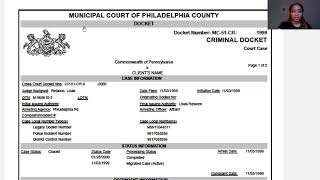
Unlike some states that hide docket information behind paywalls, Pennsylvania’s courts provide free online access through the Unified Judicial System’s Web Portal. Each docket entry includes the case number, party names, filing dates, and a concise description of the action taken—such as “motion to dismiss” or “judgment entered.” Because the system aggregates filings from the Supreme Court, Superior Court, Commonwealth Courts, and all county-level courts, users can track a case from its inception in a municipal court right up to an appellate decision.

Typical Scenarios Where Docket Access Matters
- Tenant‑Landlord Disputes: A renter can verify whether a landlord has actually filed an eviction suit before receiving a notice, preventing unnecessary relocation.
- Family Law Proceedings: Parents can monitor custody hearings, ensuring they meet filing deadlines for affidavits or parenting plans.
- Criminal Cases: Defendants and their counsel check docket entries to confirm bail conditions, upcoming trial dates, or the status of plea agreements.
- Business Litigation: Companies track competitor lawsuits to anticipate potential market impacts and adjust risk management strategies.
How to Retrieve a Pennsylvania Docket Efficiently
Begin with the case number, which is typically listed on any court‑issued notice. If you lack this identifier, the portal’s “Advanced Search” lets you query by party name, filing date range, or docket number fragment. Results appear as a chronologically ordered list; clicking an entry expands the full record, often with downloadable PDFs of the original filings. For deeper research, the portal also offers a “Case Summary” view that aggregates key milestones, such as judgments and appeals.
Selecting the Right Tools for Ongoing Monitoring
While the official court website is comprehensive, it can be slow during peak filing periods. Third‑party services like PACourtTracker or LexisNexis provide real‑time alerts via email or SMS when a docket updates. For occasional checks, a free browser extension that highlights new entries on the portal can be sufficient. Choose a tool based on frequency of use, required notification speed, and budget constraints.
Best Practices and Common Pitfalls
- Verify the Court Level: Pennsylvania’s docket system aggregates multiple courts; ensure you’re viewing the correct jurisdiction to avoid conflating unrelated cases.
- Mind the Date Format: Pennsylvania records use month‑day‑year; misreading a filing date could lead to missed deadlines.
- Watch for Confidential Entries: Certain family or juvenile cases are sealed; the docket will show a placeholder note, and you must request access through the clerk’s office.
- Document Your Findings: Screenshot or PDF‑save critical entries as a backup, especially when preparing legal motions that rely on docket timestamps.
Bottom Line: Turn Docket Data Into Actionable Insight
PA Judicial Dockets Explained in Simple Terms demystifies a resource that is both free and powerful. By mastering the portal’s search features, selecting appropriate monitoring tools, and respecting procedural nuances, even a curious beginner can transform raw docket entries into a clear roadmap for legal strategy, personal planning, or civic engagement.
Popular Contemporary Chandeliers

Popular Contemporary Chandeliers
Modern Room Chandelier

Modern Room Chandelier
Tunkayli 24" Gold Drum Chandelier, Modern Luxury Crystal Glass Lighting

Tunkayli 24" Gold Drum Chandelier, Modern Luxury Crystal Glass Lighting ...
Popular Contemporary Chandeliers

Popular Contemporary Chandeliers