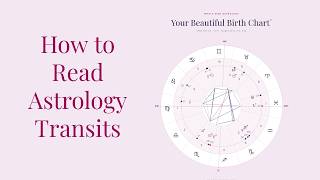
When you examine the sky for current astrological transits, many readers stumble over simple misunderstandings that can skew their decisions; avoiding common mistakes when interpreting astrology current transits helps you stay grounded and make clearer choices.
Why Accurate Interpretation Matters
Astrology is a symbolic language, not a precise science, and current transits influence daily themes such as career moves, relationships, and personal growth. Misreading these influences can lead to unnecessary stress or missed opportunities. A clear, balanced view lets you use the insights as guidance rather than deterministic predictions.
Understanding Current Transits
Current transits are the angles formed between moving planets and the positions of the natal chart. Each aspect—conjunction, square, trine, opposition, sextile—carries a distinct quality. For example, a Saturn square to the Sun often signals a period of testing limits, while a Jupiter trine to Mercury may bring expansive communication opportunities. Recognizing the planet involved and the house it touches adds depth to the interpretation.
Typical Errors People Make
- Overgeneralizing the effect – attributing a single planetary aspect to every area of life rather than considering house placement and chart context.
- Ignoring the orb – treating an exact aspect the same as one that is several degrees away, which changes the intensity and relevance.
- Relying on sun‑sign forecasts alone – neglecting the natal chart means missing the personalized nuance that makes transits meaningful.
- Failing to consider timing – assuming a transit’s influence is static; in reality, the exact dates and duration affect how strongly it manifests.
- Mixing up past and present patterns – applying the same interpretation used in a previous cycle without checking if the planetary configuration has changed.
How to Apply Corrections
- Check the natal chart – Identify which house and sign each transiting planet occupies; this grounds the interpretation in your personal chart.
- Measure the orb – Note how many degrees separate the transiting body from the natal point; a tighter orb usually indicates a stronger influence.
- Use multiple sources – Compare insights from reputable astrological texts or software, but verify that they align with your own chart data.
- Observe real‑world events – Track how the transit plays out in daily life; adjust your interpretation if the outcomes differ from expectations.
- Limit speculation – Avoid assigning definitive outcomes; instead, frame the transit as a tendency that may affect certain areas.
Bottom Line
By systematically checking the chart, measuring orbs, consulting reliable references, and observing actual results, you can sidestep the most frequent pitfalls. This disciplined approach ensures that you truly avoid common mistakes when interpreting astrology current transits, turning celestial signals into practical guidance for everyday decisions.
Panathinaikos B.C. - 100 Years Logo Vector - Logovector.net

Panathinaikos B.C. - 100 Years logo vector - Logovector.net